Separate sales from other stock movements
A pair sent to a tester, a replacement issued to a customer and a paid order are different events. Record them separately. Otherwise, a model can appear to be selling faster than it is, or available stock can become difficult to reconcile.
Count only stock that is available to sell. Returned goods need to be assessed before being added back to that figure. Keep reserved orders and products set aside for review visible in your records instead of relying on a single total.
Track the combinations customers actually buy
Review stock by model, colour and size. A total for the whole collection can hide a shortage in one size and an excess in another. Keep customer requests for unavailable sizes as a separate signal; a request is useful evidence, but it is not automatically a completed sale.
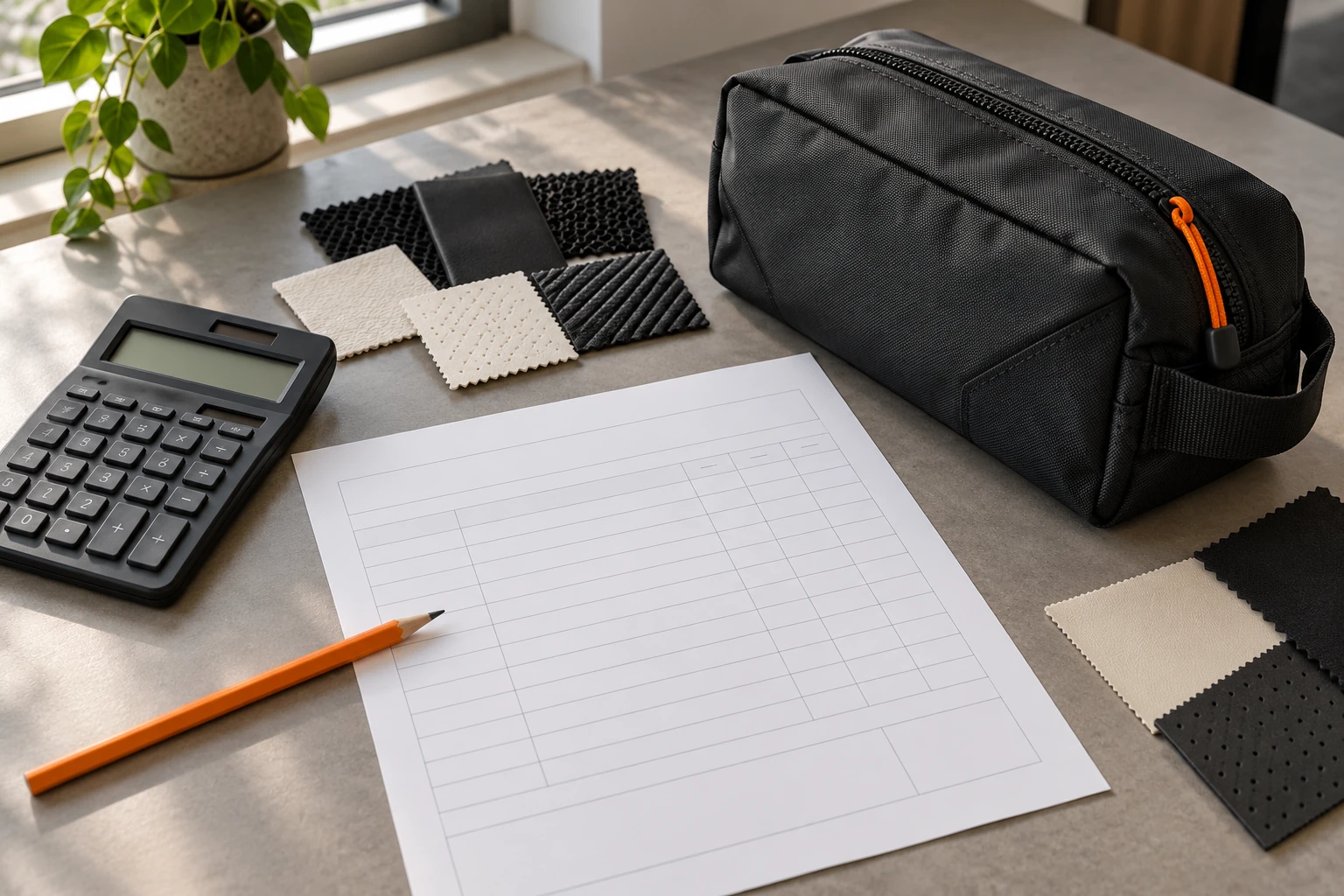
The table below is a blank planning template, not a report of Ultimate Teamwear's sales or a recommended allocation.
| Model / colour / size | Opening stock | Paid units sold | Samples / replacements | Sellable returns | Available stock |
|---|---|---|---|---|---|
| Enter variant | Enter count | Enter count | Enter count | Enter count | Reconcile physical stock |
| Enter variant | Enter count | Enter count | Enter count | Enter count | Reconcile physical stock |
| Enter variant | Enter count | Enter count | Enter count | Enter count | Reconcile physical stock |
Put customer feedback next to the numbers
Sales tell you what moved; feedback can help explain why. Record fit questions, care misunderstandings and repeated comments about construction. Separate a request for a new colour from a problem with the existing model.
Look for patterns before proposing changes. A recurring question may be solved by a clearer product photograph or size explanation. If the product itself needs revising, document the reason and discuss whether the change requires another sample.
Plan timing around the complete journey
Ask the manufacturer to reconfirm material availability, production requirements and the expected schedule. Include approval and shipping in your plan rather than treating production time as the whole lead time. Share any launch, camp or season date that matters.
If you calculate stock cover, state the period and sales assumptions used. A short promotional spike is not automatically your normal sales rate. Review the plan when demand, available stock or the production schedule changes.
Keep the product reference intact
Send the approved specification, artwork version and previous order reference with the reorder request. Confirm which details stay the same and list every proposed change. Ask for current pricing and order terms rather than assuming the earlier quotation still applies.
Review labels, packaging and care information too. A repeat product can become inconsistent through a small unrecorded change in trim or presentation. One agreed reference makes the next order easier to review when it arrives.
Put it into practice
Your next steps
- Track sales, samples, replacements and returns separately.
- Review stock at model, colour and size level.
- Use customer feedback to decide what needs changing.
- Reconfirm the specification, availability and schedule for every reorder.
Planning your next production run? Share your previous reference and proposed changes with Ultimate Teamwear.
Discuss your project