Begin with the product's intended role
Explain who the model is designed for and the use you developed it around. Keep that description consistent with the specification you approved. Avoid suggesting that a glove guarantees better saves or suits every player and surface.
A short introduction can lead into a clearly labelled specification list. Keep the product name and version consistent across the page, packaging and customer communications so a buyer can identify the model later.
Replace vague claims with useful details
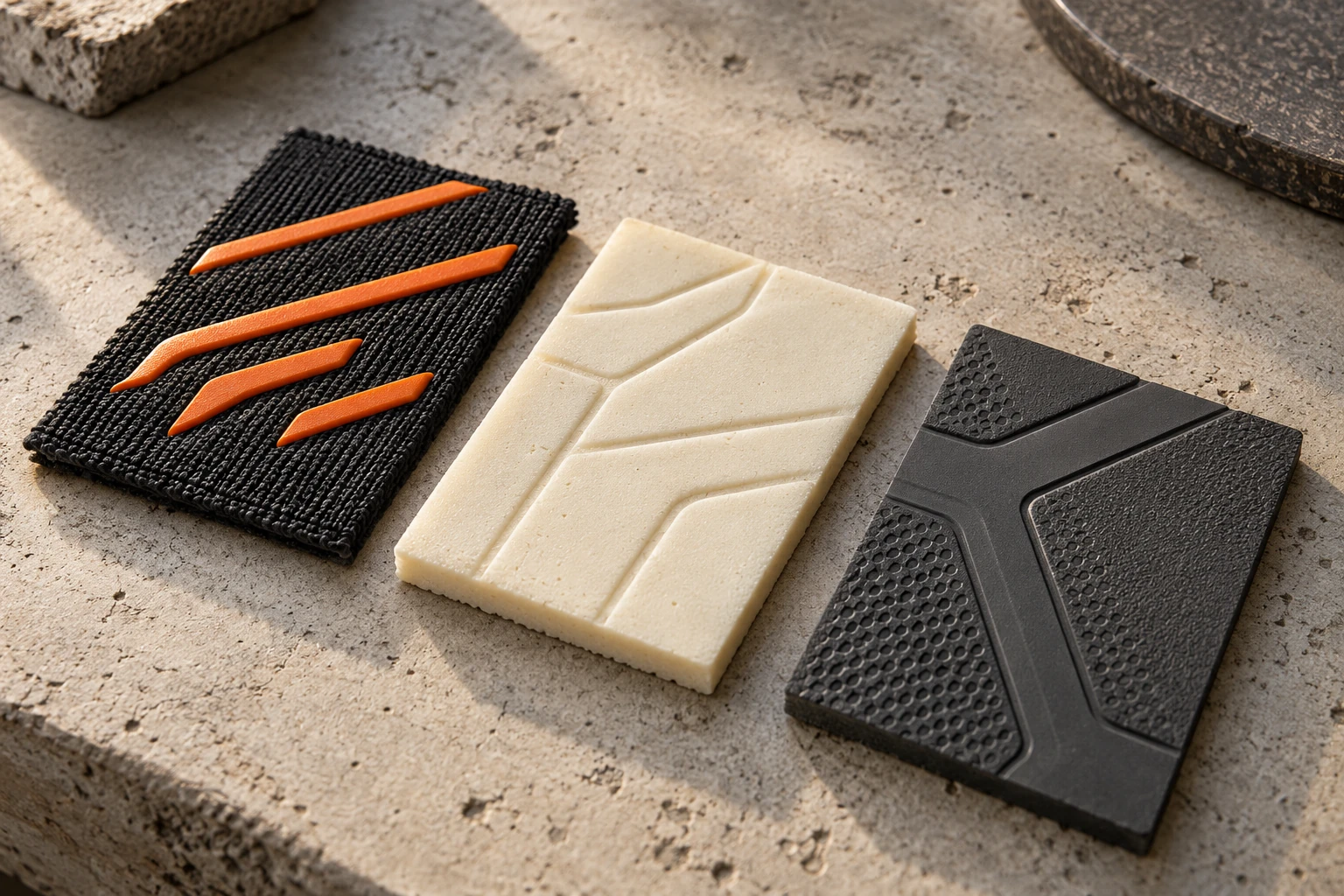
Write down the materials and construction you can substantiate. If a supplier term is unfamiliar to the customer, explain what it refers to without inventing a performance rating. Where a detail has not been confirmed, resolve it before publication.
| Vague wording | More useful information | What to verify |
|---|---|---|
| Premium grip | The agreed palm specification and care guidance | Material name and intended use |
| Perfect fit | Cut description and model-specific sizing method | Measurements and sample feedback |
| Advanced backhand | The actual backhand construction and materials | Approved production specification |
| Professional finish | Clear photos of seams, closure and branding | Images show the supplied version |
| Everything included | A list of included bags or accessories | Current product and packaging terms |
Show the views a keeper needs
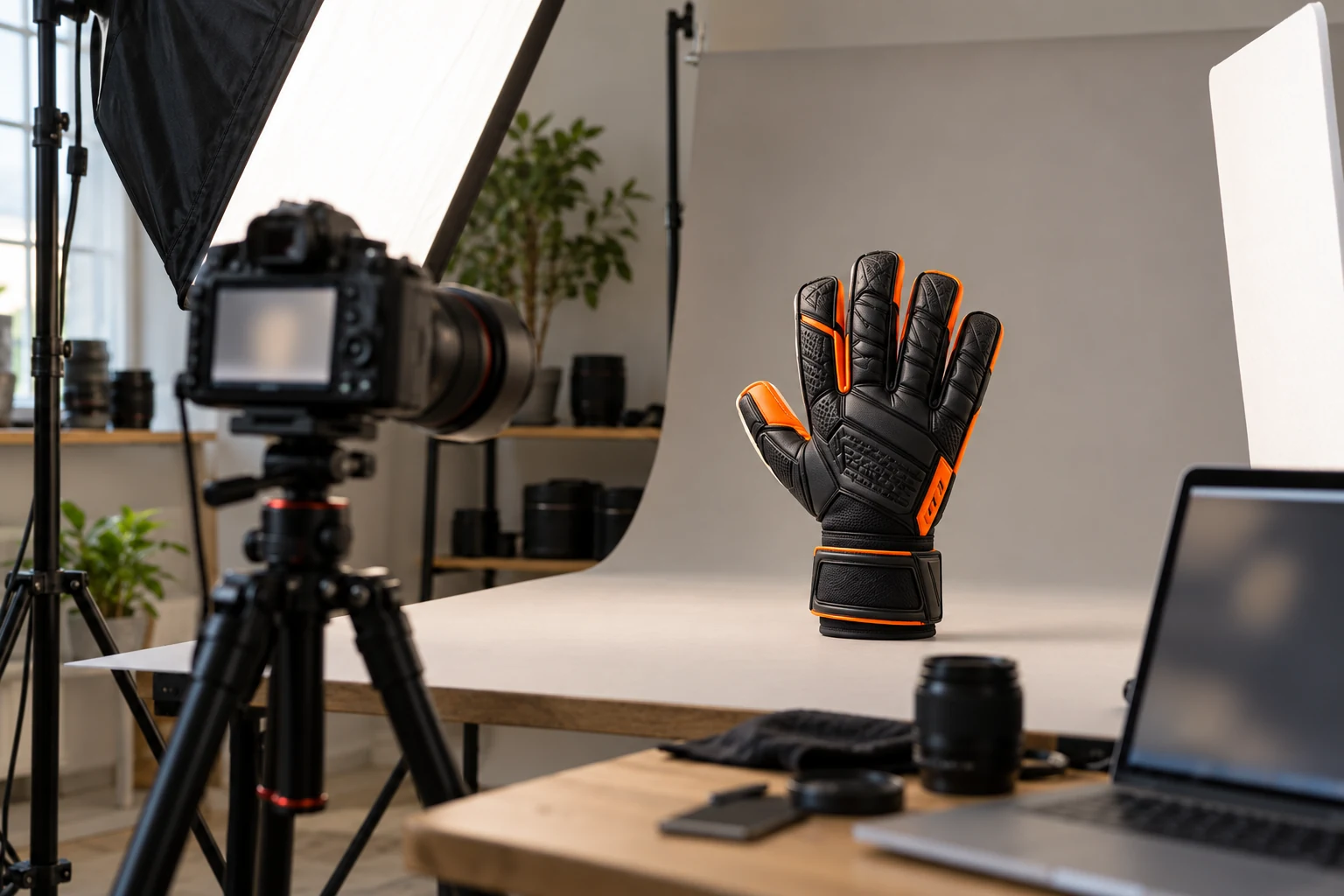
Use a clear backhand view, a palm view and close-ups of details that are difficult to understand from a distance. Show the cuff and closure where they are important to fit or use. Keep lighting and colours consistent enough for customers to compare images sensibly.
Identify illustrations or design concepts as such. A sample photograph should not silently represent a later production version with different features. When the product changes, review the images and text together.
Make sizing and care easy to find
Place the model's sizing instructions close to the size choice or enquiry button. Explain the measurement method, rather than displaying a chart without context. If customers regularly ask the same fit question, improve the page using what you have learned.
Link to care instructions for that product and summarise the key points where useful. Avoid borrowing another brand's size chart or specialist preparation instructions and presenting them as your own. The information should reflect the glove you actually supply.
Be clear about the buying process
For a made-to-order range, explain what information is needed for a quotation and which details will be agreed before production. For a retail product, make availability, the fulfilment process and the applicable policies easy to find. Do not hide material limitations behind vague delivery language.
Provide a specific next step. “Ask about this model” is useful when it carries the product reference into the enquiry. Give the customer a place to mention intended quantity, size questions and destination without making them repeat information already on the page.
Review the page as the range develops
Keep a dated internal specification for each published version. Check the page when materials, artwork, packaging or order terms change. Keep customer-facing claims aligned with the evidence you hold.
Useful product content continues after launch. Questions from keepers, coaches and retailers can show where an explanation is missing. Treat those questions as a way to improve the page, while keeping personal customer information private.
Put it into practice
Your next steps
- Describe the product's role and verified specification.
- Show the palm, backhand, cuff and relevant details.
- Keep sizing and care information model-specific.
- Update images, text and order information when the product changes.
Building a clearly defined glove range? Discuss your specification, branding and product presentation with Ultimate Teamwear.
Discuss your project