Decide how the programme will work
An academy-issued training pair, optional merchandise and a glove sold to the wider public are different projects. Establish who chooses the product, who pays for it and who handles questions or replacements. Keep those responsibilities understandable for coaches, players and families.
If a purchase is optional, explain that clearly. If the programme is part of an existing kit package, specify what is included. A simple written outline can prevent the same questions returning to different members of staff.
Build the brief from your player groups
List the groups you need to serve rather than ordering one size distribution for everyone. Record the intended use, usual playing surfaces and the sizes required. Use the measurement guidance agreed for the selected model; a player's usual size in another brand is only a reference.
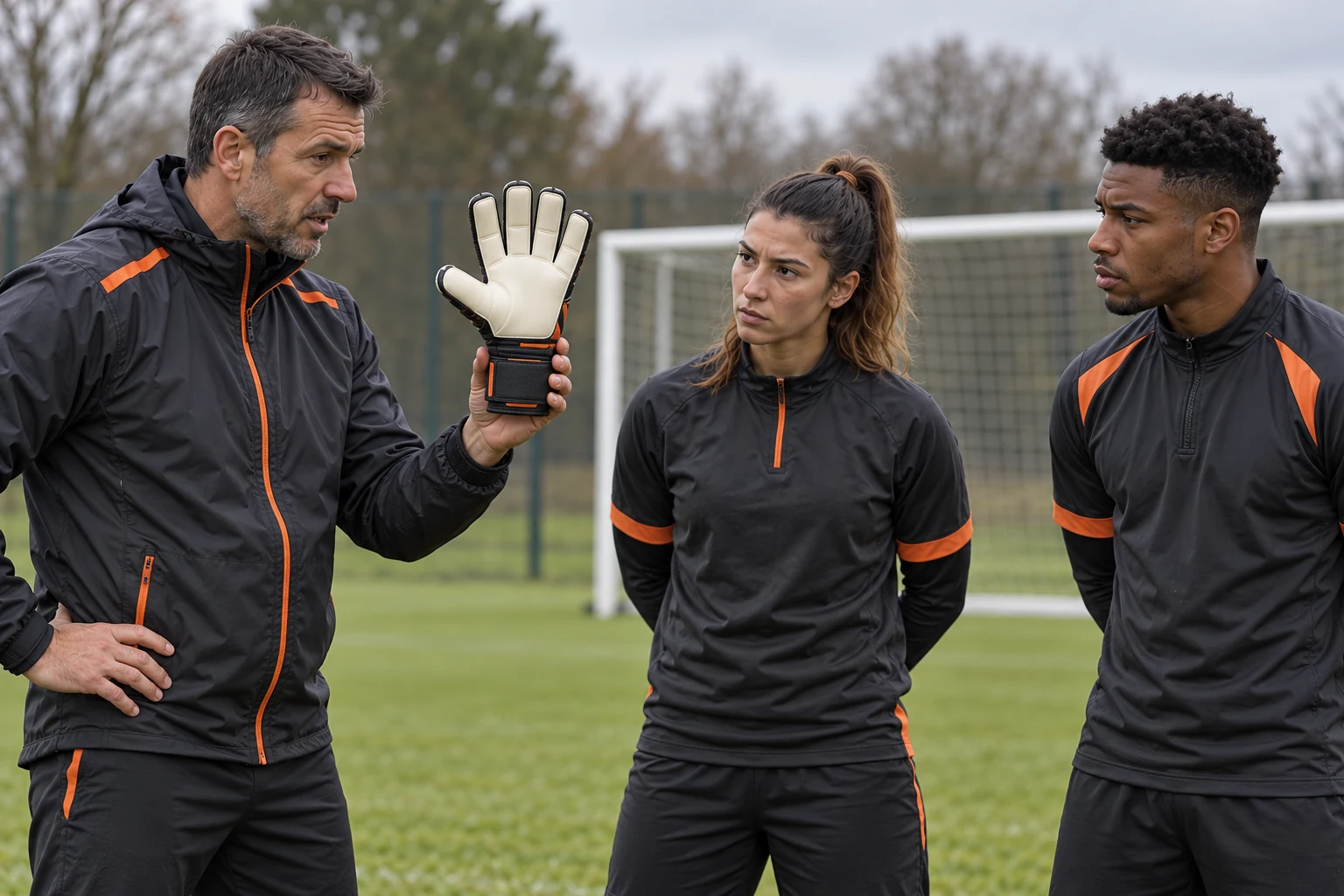
Review a sample where possible and collect fit comments consistently. A keeper saying a glove feels “wrong” needs a follow-up question: is the issue at the fingertips, across the hand, at the cuff or during movement?
| Group | Information to collect | Decision to confirm |
|---|---|---|
| Junior keepers | Measurement and fit feedback | Suitable size coverage |
| Regular training group | Surface and session requirements | Product specification for the intended use |
| Matchday users | Preferences and sample observations | Whether the same model meets the brief |
| Coaching staff | Ordering and support responsibilities | One approval and communication route |
Use one approval process
Appoint a person to consolidate feedback and a person authorised to approve the order; these may be the same person. Keep the final roster, artwork and specification in one place. Identify the version that everyone is checking.
Ask contributors to distinguish an essential change from a preference. Conflicting comments can often be resolved by returning to the programme's purpose. A training product should be evaluated against its agreed training requirements, rather than against every possible glove someone has worn.
Teach the routine that goes with the product
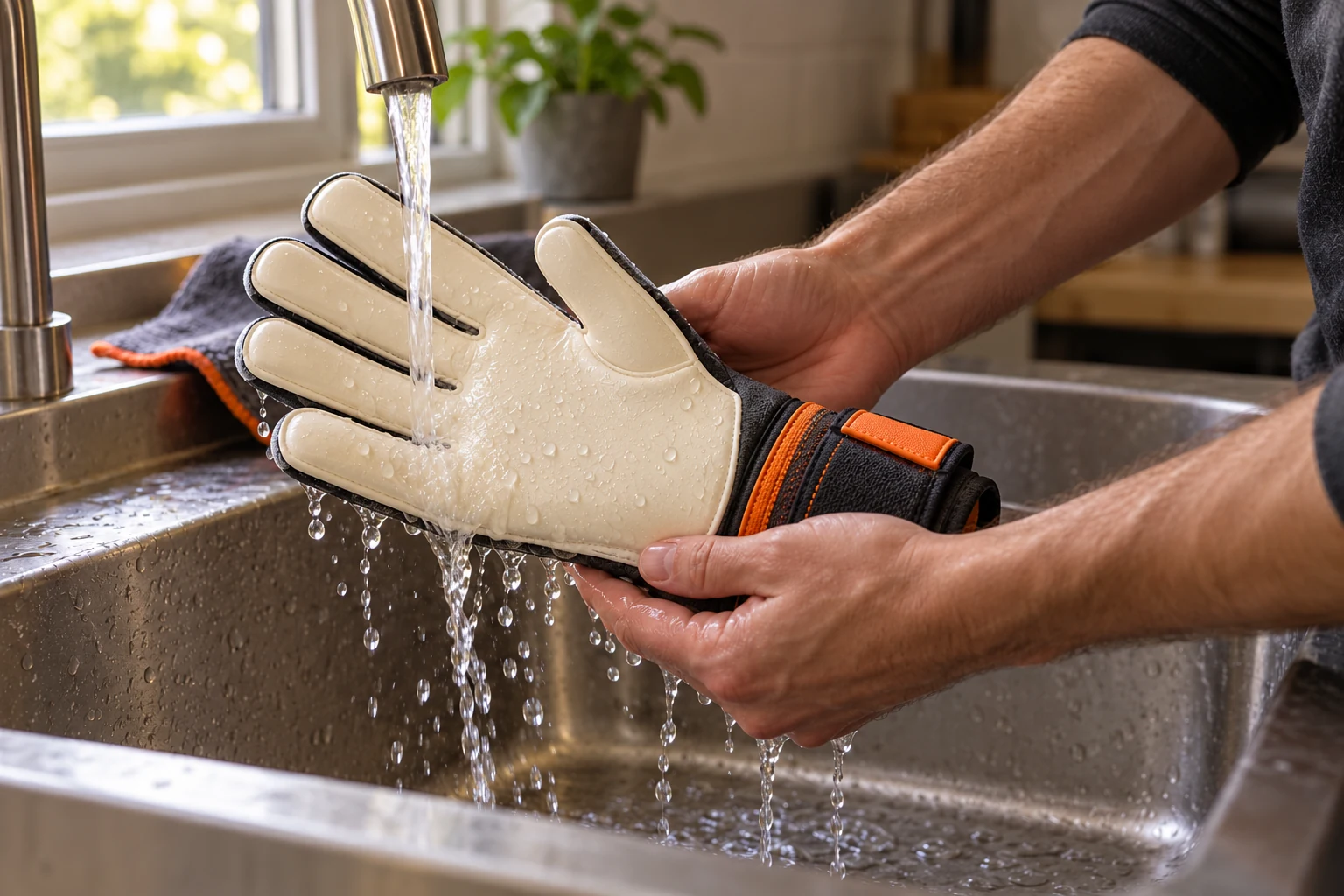
Include a short care briefing when gloves are issued. Follow the instructions for the actual materials and explain who is responsible for cleaning, drying and storage. Give families the same information as players so the routine continues away from training.
A brand or academy can also include a simple card showing the product name, size guidance and contact route. This makes the range easier to understand and provides a consistent answer when a new player joins.
Plan the next order before you need it
Keep a record of what was issued, what remains in stock and which sizes are requested later. Review player feedback before repeating the order. A familiar design still needs material availability, specifications, pricing and timing reconfirmed.
Allow for new joiners and the academy calendar in the planning discussion. Tell the manufacturer when the equipment needs to arrive and separate that date from the first fixture or camp. Avoid promising families a delivery date before the schedule has been agreed.
Put it into practice
Your next steps
- Define whether the range is equipment, merchandise or a retail product.
- Collect player requirements using the selected model's sizing method.
- Give one person responsibility for the final approval record.
- Track sizes and feedback to inform repeat orders.
Planning gloves for your academy or coaching programme? Tell Ultimate Teamwear about your players, quantities and intended use.
Discuss your project