Look for relevant product experience
Ask about work related to the construction and materials you need. A manufacturer offering a broad range should still be able to explain the details of your proposed product. Request suitable examples and clarify which aspects can be customized.
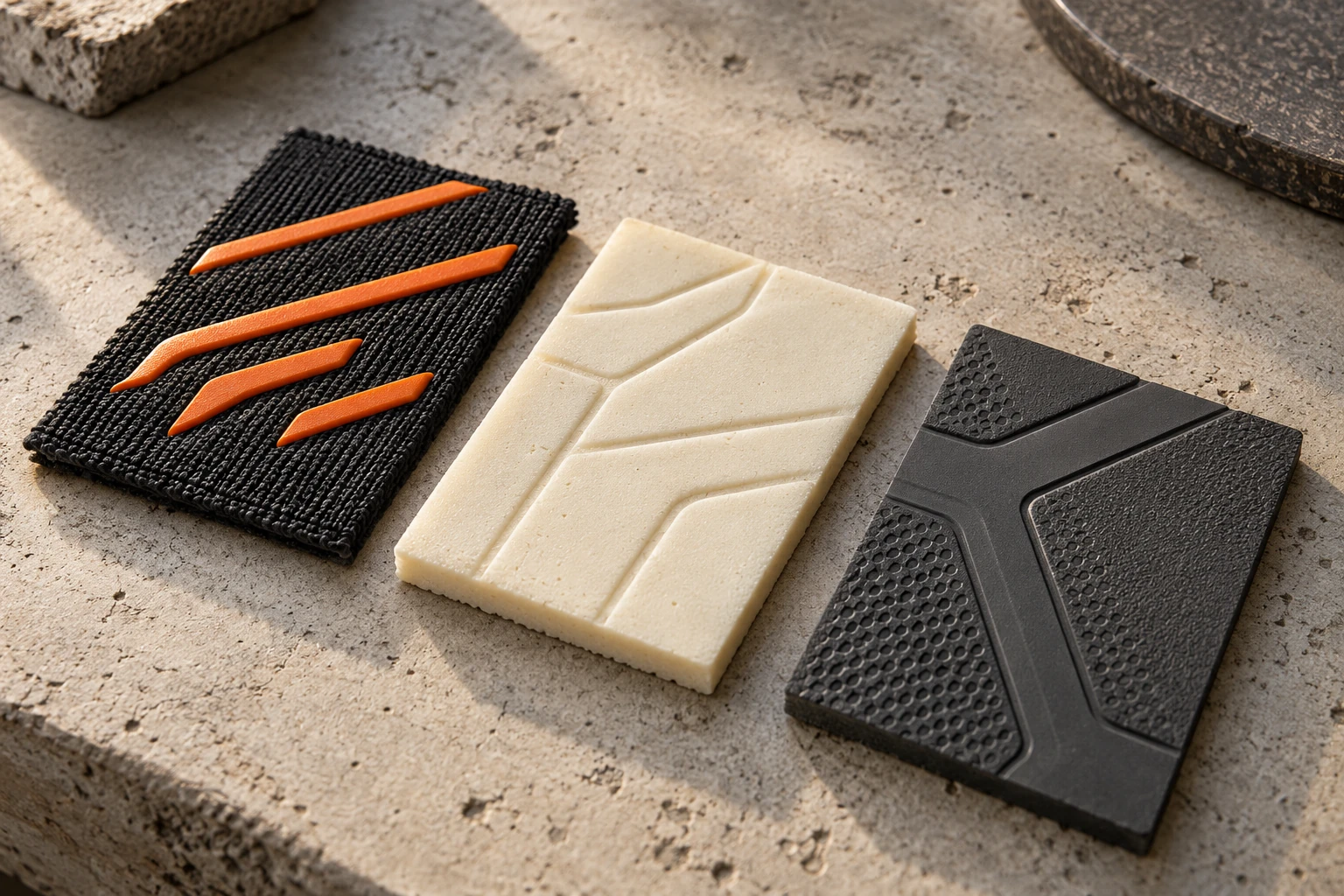
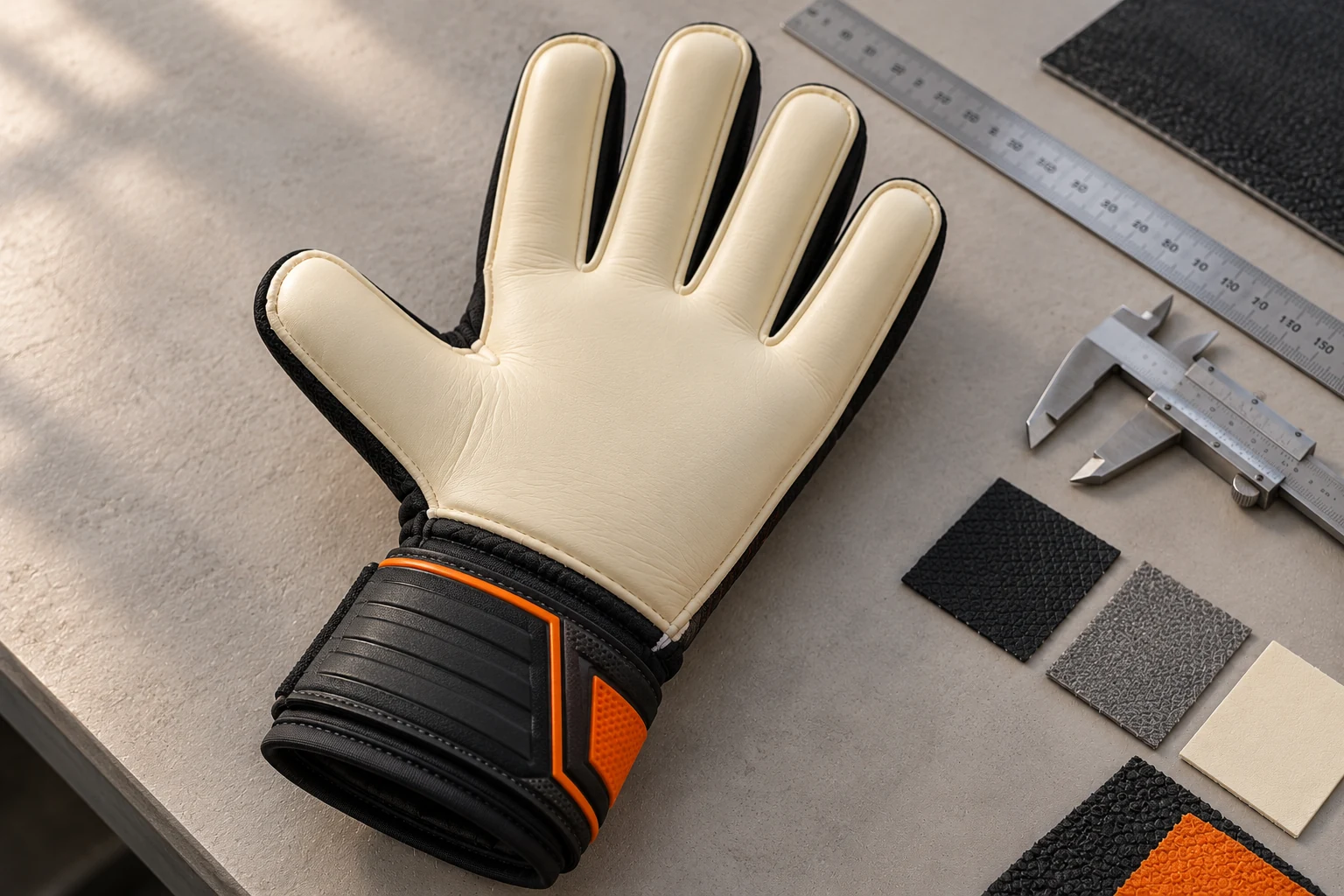
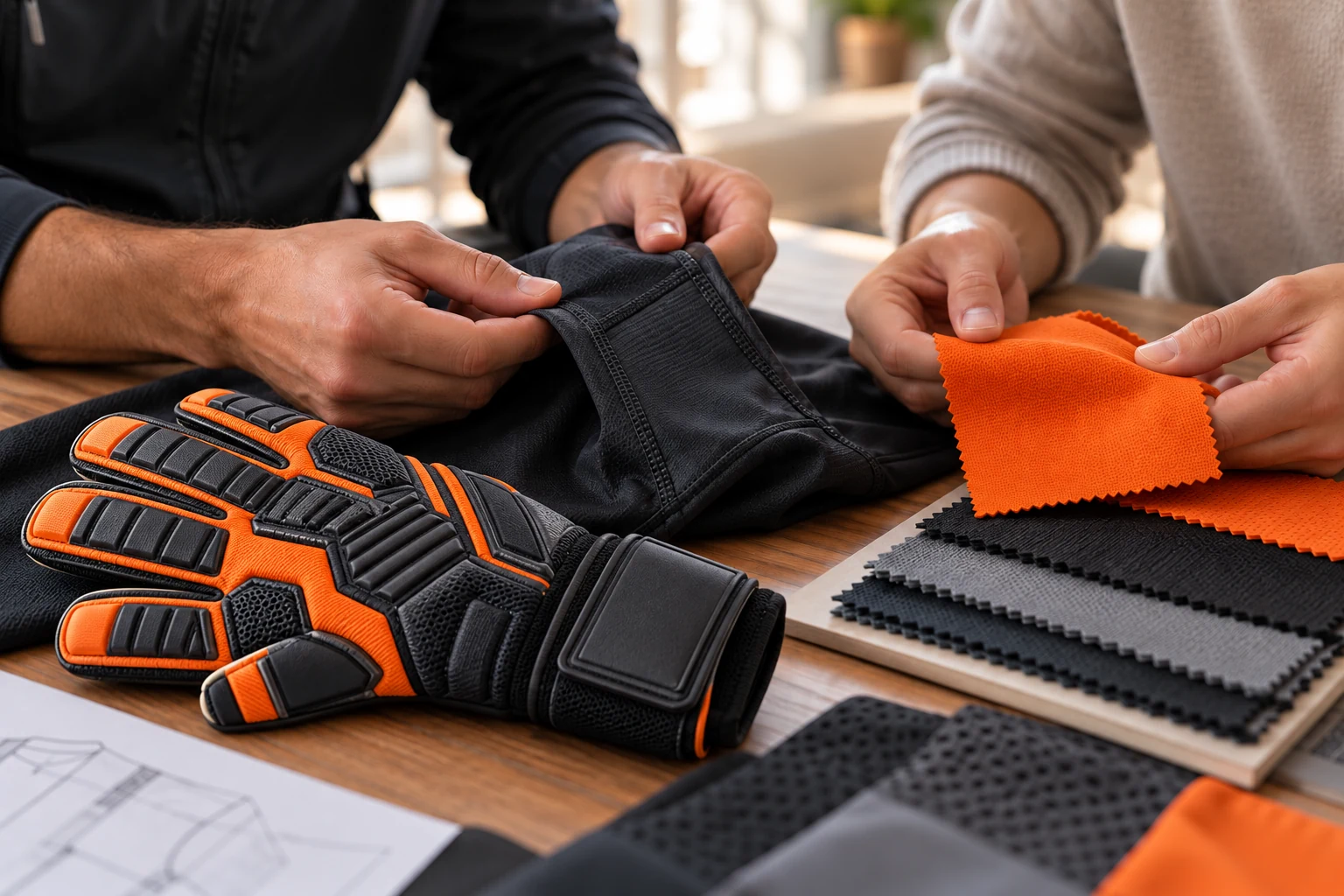
Review evidence in context. A reference image shows a design, while a physical sample can help you assess particular materials, fit and finishing. Ask what is represented by the sample and whether the proposed bulk product will use the same specification.
Make your specification comparable
Send the same product list, quantity breakdown, artwork requirements and destination to each supplier you are considering. If one suggests a different construction or material, record the difference instead of treating the quotations as identical.
Use a comparison sheet to keep the discussion organized. An unanswered question is a reason to clarify the brief, not a reason to assume the cheapest or fastest interpretation.
| Topic | Question to ask | Evidence to keep |
|---|---|---|
| Product capability | Can you make this construction and finish? | Relevant examples and specification notes |
| Sampling | What will the sample demonstrate? | Sample brief and review record |
| Quotation | Which items and services are included? | Itemised quotation |
| Schedule | What approvals and stages affect timing? | Agreed project schedule |
| Quality review | How will this order be checked? | Order-specific inspection criteria |
| Delivery | Who is responsible for each shipping stage and charge? | Written shipping arrangements |
Review communication as part of the process
Notice whether questions receive clear answers and whether changes are documented. Agree who will collect feedback, approve artwork and confirm the order. A clear route for decisions matters more than having the same discussion with several people.
Ask how updates will be shared and how a problem should be raised. Avoid assuming that an informal promise becomes part of the final specification unless it is recorded with the order details. Keep the approved version accessible to both sides.
Check claims before repeating them
If a certification, material origin or environmental claim matters to your product, ask for evidence relevant to the actual facility, material or process. Check its scope rather than treating a logo on a page as proof of every claim you might want to make.
Apply the same care to your own marketing. A supplier's general statement should not become a specific claim about your product without supporting information. Record which facts have been verified and which still need clarification before launch.
Evaluate the complete order
Review minimum quantities, sample costs, development requirements, packaging and delivery alongside the manufacturing price. Ask about quote validity and the implications of changes. A quotation should let you understand what you will receive and which responsibilities remain with you.
Before committing, reconcile the approved specification, quantities, schedule and commercial terms. The strongest next step is a clear agreement about the product you are making, supported by records you can use during production and when the order arrives.
Put it into practice
Your next steps
- Compare suppliers using the same detailed brief.
- Use samples to evaluate a defined specification.
- Ask for evidence before repeating technical or certification claims.
- Review the complete order, including packaging and delivery responsibilities.
Have a sportswear or glove project to discuss? Share your requirements with Ultimate Teamwear and work through the specification with our team.
Discuss your project